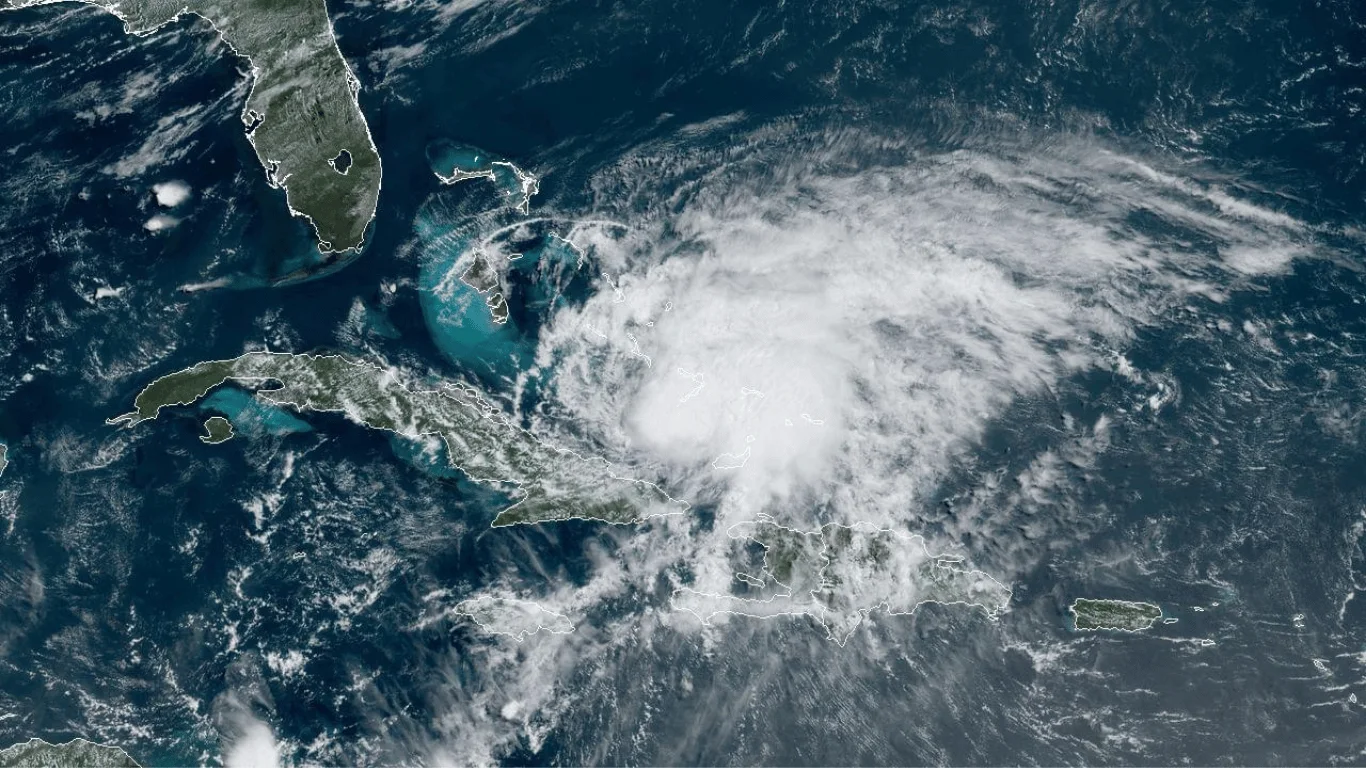
When Hurricane Helene swept through Western North Carolina, the storm tore apart critical communications. Towers were knocked down. Fiber lines were shredded. Entire counties went dark. For telecom crews, the clock was ticking. Every hour without service meant businesses stalled, families cut off, and emergency teams working blind.
Paul Miller of Verizon was one of those facing the chaos. He needed a direct line to the county emergency management director in one of the hardest-hit areas. Normally, that kind of connection would take days—working through layers of emails, missed calls, and red tape.
"Within minutes, I was connected to the right county contact. Without OpsChannel, that would have taken days." — Paul Miller, Verizon
Instead, Miller turned to OpsChannel. Within minutes of posting his request, peers across states saw it. One member in North Carolina immediately sent back the right contact. By the time Miller made his call, the county director was already expecting him.
That quick exchange shaved hours, even days, off the usual process. It meant fiber crews could roll sooner, towers could be assessed, and service began coming back online faster.
But the benefit went beyond just one call. Through OpsChannel, telecom teams also gained real-time road status updates. North Carolina’s transportation department had set up a first-ever help desk, pushing out which roads were open and which were blocked. Crews could reroute before leaving staging areas, avoiding wasted trips and dangerous dead ends.
- The result was faster restoration during one of the worst telecom disruptions the region had seen.
- Instead of chasing information, teams had it delivered securely and instantly—right where they needed it.
Stories like these show how OpsChannel changes the pace of disaster recovery. It’s not just about messages—it’s about connecting the right people at the right time, so communities get their lifelines back sooner.